Fleabag Season 2 (2019) – TV Review

“This is a love story.”

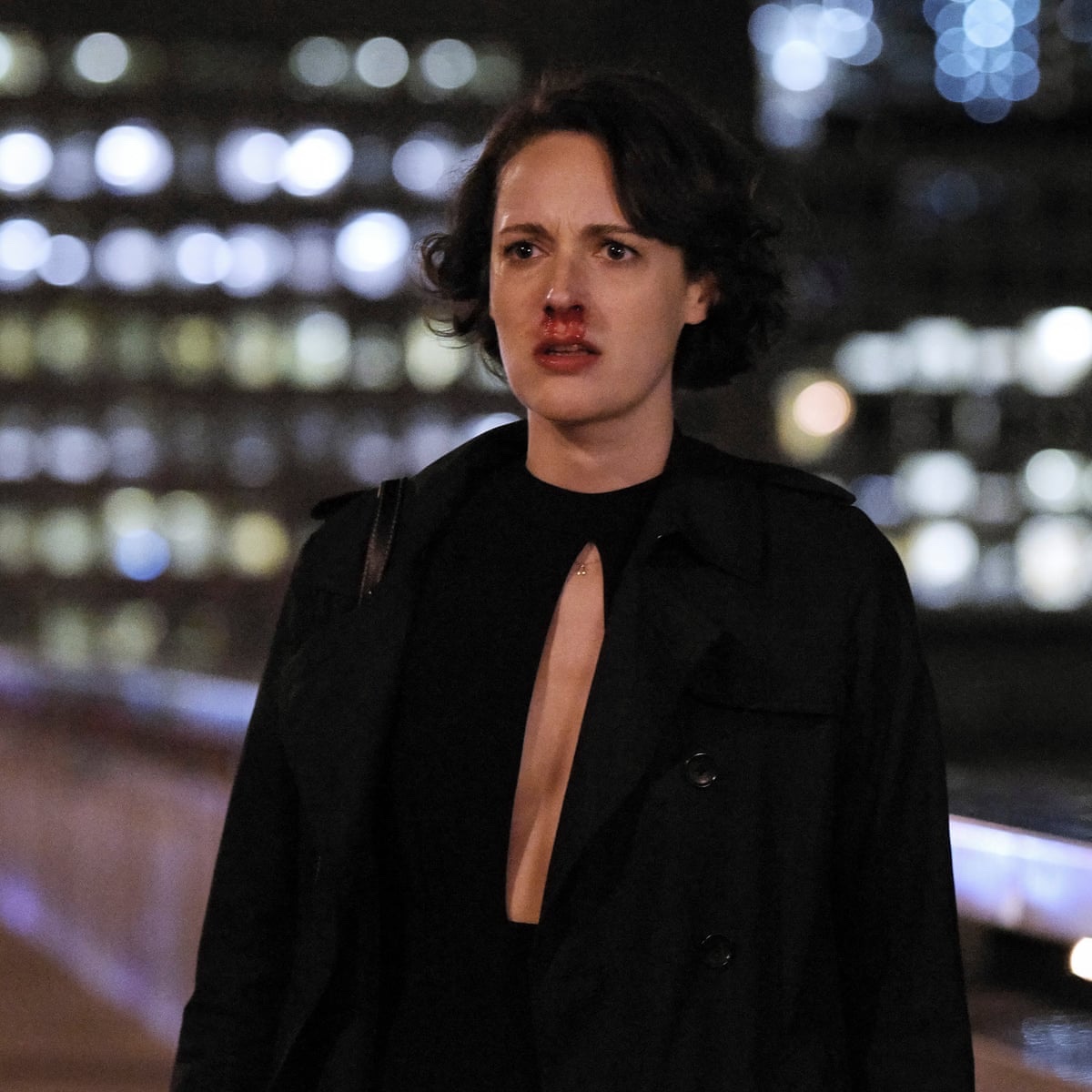
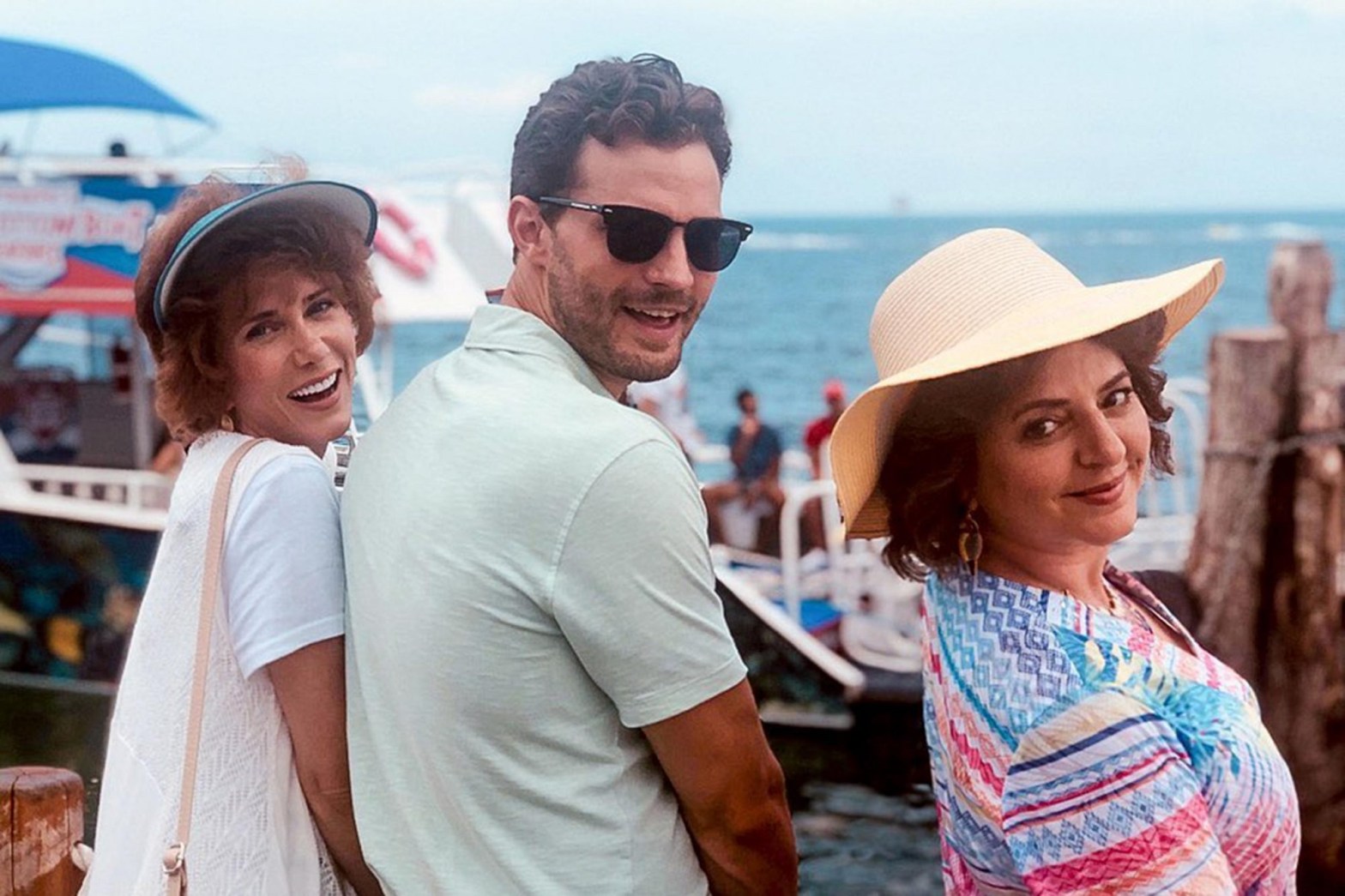
After adapting her one woman play Fleabag into a hugely successful series for the BBC and then also creating the smash-hit Killing Eve, Phoebe Waller-Bridge seemed to have the world at her feet, and she was persuaded to come back to write a second and final season of ‘Fleabag’. The pressure was on, but she not only lived up to season one, but massively surpassed it and created one of British TVs finest ever seasons of Television.

‘Fleabag’ is quite rightly classed as a comedy, as it features some of the funniest one-liners and comic situations you will find on TV, but the reason that it has always risen above the rest is that perfect ability to balance comedy with deeply emotional and human moments, full of grief and pain. The show is as much about the drama and the slow unravelling of the psyche of Fleabag (Phoebe Waller-Bridge) as it is delivering jokes, and that is why people connected so much with the first season. It felt very much like a clear arc through the six episodes and that we had reached a natural conclusion to the story Waller-Bridge wanted to tell, and that was why there was confusion and slightly mixed feelings when she announced that she would be returning for a second and final season of the show. Obviously, there was huge anticipation because of the quality of the first season and of Waller-Bridge’s other work, but there was also some worry that it could be just a cash-in and that it would tarnish what was achieved with the first season.

However, there should never have been any doubt, as what we get not only lives up to the previous season, but builds on it and surpasses it in many ways, and ends up being one of the finest seasons of TV ever made. We start the season a year after the events of season one, and the family is reunited at a dinner party in a restaurant to celebrate the engagement of Father (Bill Paterson) and Godmother (Olivia Colman), and the whole episode is pure perfection. Like a stage play on steroids, it continually ramps up the tension and the comedy, with a huge development in the relationship between Fleabag and Claire (Sian Clifford), and the key introduction of Priest (Andrew Scott), who will have a huge impact on the season. There is unlikely to have ever been a first episode of a new season of TV that is this good, so tightly wound and ready to explode at any moment, working as a perfect standalone piece of entertainment and also as a perfect launching pad for the season.

I could talk for hours about all the individual plot points, performances, and character developments, but it would be much more beneficial in that case for the reader to just watch the show, without knowing everything. Instead, what I want to look at are some of the particular themes Waller-Bridge pursues with her writing here, and why they are so impressive, and brilliantly wound together. There are many different characters and plotlines, but the two big through lines of the season are Fleabag’s relationships with two people, her sister Claire and with the Priest.

Andrew Scott arrives in season 2 as the ‘Hot Priest’ and completely changes the dynamic of Fleabag’s current situation, and of the show. The pair of them have an instant sexual chemistry, a simmering tension that leaps off the screen and once they are no longer on screen, it leaves the audience almost breathless. A scene in a church confessional in particular is one of the most tense and sexual scenes on tv in many years. Both Fleabag and Priest are facing internal battles throughout, and their desire and love for each other only further complicates that for each other, but it is also obvious how perfect they are for each other. In a move that shook fans to their core, Priest actually notices Fleabag talking to the camera at times and questions her on it, becoming the only person throughout the show to do that. It creates some memorable jump moments for the audience, and is also another brilliant layer to their relationship. The reason he is able to see this is up for people to debate and interpret their own way, whether it is his religion, or something else, but I interpreted it as him being the only person who saw every side of her and actually took notice. Their relationship is full of pain and sadness, but it is also exactly what they both had to go through at that specific time.

The relationship between Claire and Fleabag was explored quite a lot in season one, but much more in order to create comedic value, placing the highly strung and organised Claire with a sister who is wild and unpredictable, and seeing how long it takes for her to crack. This season however, the relationship is explored on a much deeper level, as they are both going through big life changes, specifically within their relationships and also with witnessing their dad getting married again after the death of their mother, and they find solace in each other. It quickly emerges that despite all the sex and romantic relationships that take up the focus of the show, the real love story at the heart of the show is the one between Claire and Fleabag. Claire’s line to Fleabag in the finale, “You are the only person I would run through an airport for”, is one of the most openly earnest moments in the show and perfectly emblematic of the relationship between the two, and how it is actually the emotional through line that runs between both seasons.

The cast are all extraordinary, every member, including the more supporting cast like Olivia Colman, Bill Paterson, and Brett Gelman, who are all brilliant when required. Clifford deserves all the awards and praise in the world for her deadpan line-deliveries and genius facial expressions. She makes Claire into a fully rounded and deeply engaging character, who at times really threatens to steal the entire show. Andrew Scott arrives on this show like a bolt of lightning, bringing a unique energy into every scene and challenging the very core dynamic of the show. However, despite all the star power and great performances, this show belongs very much to Phoebe Waller-Bridge and she remains the stand out. Whether it is her pitch perfect line-deliveries, her sharp glances to the camera, the deep and conflicting emotions evident at all times. Waller-Bridge is clearly so close to this character in every way, her writing so perfect and her delivery of it so precise. The role of a lifetime and it was one she made for herself.

There have been many much more in-depth and impressive essays written about this show, and many of which are really worth a read because they offer more detailed examinations of the themes and decisions that go into this season. I think it is unquestionably one of the most effecting and simply best seasons of Television produced in a long time, and despite all the hype that has built up around it in the years since it premiered, it still lives up to each and every one. For people who love this, an even more recent piece of work that is equally as fresh, personal, and evocative is Michaela Coel’s I May Destroy You (2020). Very rarely does a show like Fleabag come around, and I think it should be treasured. The final scene is far from a happy ending, it is actually an emotional gut punch, but it is also very much the clear ending, Fleabag has reached a new stage in her life, she is able to walk away and no longer needs to audience anymore. She is at peace.

“I think you know how to love better than any of us, that’s why you find it all so painful”

Rating = 5/5

Succession Season 2 (2019) – TV Review

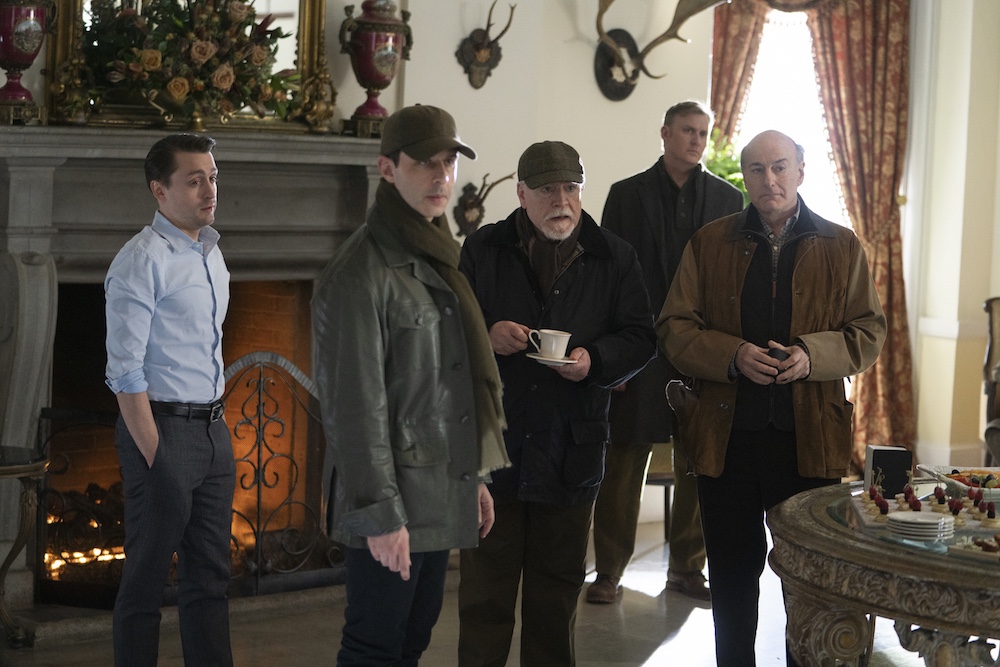
Following on from the huge critical acclaim of the first season, Jesse Armstrong returns to write this second season, as the fallout from the first season’s finale is laid out. Kendall is placed in rehab but quickly forced to go before the cameras to clarify why he backed out of seizing the company from his father. Logan meanwhile is having to consider who his successor will be and is sounding out the family, including Shiv, for the role, and it will change the entire dynamics of the family when he decides. The entire lead cast returns to their roles, with guest stars like Holly Hunter and Cherry Jones also added into the equation.

The plot of this season has so many twists and turns for all involved that I won’t go into any of that in detail, only to say that everything that happens still remains deeply rooted in character above all else. The writing from Jesse Armstrong (and the team of writers who bring their own voice but stay within Armstrong’s clear vision) is so impressive, with the dialogue being incredibly sharp and memorable, both hilarious and shocking when needed. On top of this though, the most impressive thing is how he balances a twisty plot with always putting character development first. Each of these characters feels completely unique and all get their own arcs this season, developing them all in interesting ways and it is this that really pulls the audience in and makes you care, even if what the characters are doing is not traditionally likable or acceptable behaviour.

One of the most instantly iconic, and agonising to watch, pieces of TV occur in episode 8 of this season as Kendall, ever desperate to impress, decides to perform a rap in front of all Logan’s friends and family, to celebrate his birthday. “L to the OG” is full of hilariously cringey lines, but feels like something Kendall would truly do and say, and it encapsulates his mental state at that point perfectly, whilst also being thoroughly entertaining. The song and tune are incredibly catchy, and even got released as a single for people to buy. “Never going to stop baby, fuck father time. Bro, don’t get it twisted, I’ve been through hell. But since I stan dad, I’m alive and well”.

Yet again the whole cast is great, with everyone getting a chance to shine. Brian Cox gets to play a wide range of emotions this season as Logan goes through crisis after crisis, and his presence absolutely dominates the screen whenever he is on it, and he brings an electric feeling to the show. Sarah Snook is superb as Shiv in this season, as she gets sucked into the family machinery and her desire to head the family business is revealed, but she is constantly being played by her father. Kieran Culkin is equally impressive, but his performance this season is much less as a livewire making jokes all the time, and focuses much more on his complicated personal and sexual life. Matthew Macfadyen and Nicholas Braun again prove to be the perfect comedic duo, and their interactions and characters are arguably the standouts of the show because of this, with both men having perfect comedic timing, whilst also getting to show off their dramatic chops at times too. A truly perfect ensemble.

The absolute star of this season though is Jeremy Strong, as Kendall becomes very much the lead of the story and his emotional turmoil is the driving force of the season from start to end. Strong is a notorious method actor and completely immerses himself in Kendall, in all the suffering and confusion that he feels, and you can see that weight on his shoulders up on the screen. He is quite rightfully winning lots of awards for this season, it is one of the finest performances on TV right now, and hopefully he will get to show a new side to Kendall when the status quo is shifted in season 3.

Overall, this season somehow manages to easily surpass the second season, with both the comedy and drama dialled up to an even higher amount, allowing for the wonderful writers and actors to absolutely thrive. With a blockbuster ending that sets the scene for all-out family warfare, the third season cannot come soon enough, and despite being delayed due to Covid, is now deep in production and heading for a 2021 debut.

Rating = 4.5/5

The Mandalorian Season 2 (2020) – TV Review

Following on from the first season, which managed to launch an entire streaming service, brought numerous awards, and managed to reignite interest from a fanbase that has long been torn apart, it is fair to say both the anticipation and pressure on The Mandalorian in its second season was very high. Jon Favreau and Dave Filoni return as showrunners, bringing together their unique mix of fanboy knowledge, industry experience, and cutting-edge visual effects work, to create this pop culture phenomenon.

The show is packed full of great surprises so I won’t break down episode by episode the events, but I will say that the second half of the season is much stronger than the first in general, as the main plot really comes into place. The standout episodes (apart from the finale, which I will discuss with spoilers and in much more detail at the end of this review) are; the opening episode titled ‘The Marshal’, which plays like a standalone western and brings us back to Tatooine, and gives Timothy Olyphant a chance to really shine. The episode ‘The Jedi’, which introduces us to Ahsoka Tano, is a real delight and truly felt like animation come to life. The Boba Fett central episode titled ‘The Tragedy’, directed by none other than Robert Rodriguez, is a short but frenzied episode packed full of reveal and non-stop action.

While the show isn’t particularly an acting showcase, the performances remain very important, and in particular the performance of leading man Pedro Pascal. Even though the majority of his role is voice work, due to Mando barely ever removing his helmet, you feel Pascal’s presence constantly. His voice work is subtle and effective, always remaining within the quietly spoken realms that the character operates in, and never slips into melodrama. In the two moments he removes his helmet this season and we get to see Pascal himself, his acting is extraordinary, especially in the finale. He raw emotion and heartbreak we can see in Pascal’s eyes is beautiful, and even though it is right for this specific character that he has the helmet on the majority of the time, it is still great to be able to see Pascal at his very best.

The much-discussed finale delivered on many things the season had been building towards, with the large ensemble of characters that Mando has met on his travels uniting to rescue Grogu (Baby Yoda/The Child) from Moff Gideon (Giancarlo Esposito). It is great to see all these characters interacting and the tension is very high, with a brilliant fight between Mando and Gideon proving one of the highlights, and the reuniting, and soon to be separation again, of Grogu and Mando being the emotional heart. However, in the final moments, as the Dark Troopers approach our heroes, a lone and hooded Jedi appears, and in a brilliant sequence fights them all off and then approaches the heroes. As he removes his hood, it is revealed to be Luke Skywalker (Mark Hamill), digitally de-aged to look like he would just after the events of Return of the Jedi (1983). While the de-aging is jarring and slightly takes you out of the show, it is amazing to see Hamill return to this role one more time, and get to show off as the all-powerful Jedi we know Luke became. Many have argued this was just fan service to those who wanted to see a different Luke than the one in The Last Jedi (2017), but for me it fits perfectly within the narrative of the show, and actually validates the direction Rian Johnson chose to go down all those years later.

Overall, even with an ending that divided people, this proved to be another highly entertaining and incredibly enjoyable piece of entertainment. Having a new, and well crafted, entry in the Star Wars universe drop weekly is a pleasure, and a novelty that hasn’t worn off yet. While it is public knowledge that Disney is going to rapidly move ahead with many new Star Wars shows (one teased in the end-credits here), it is still important that The Mandalorian is the flagship show, and it carries that tag proudly. Really great entertainment.

Rating = 4/5

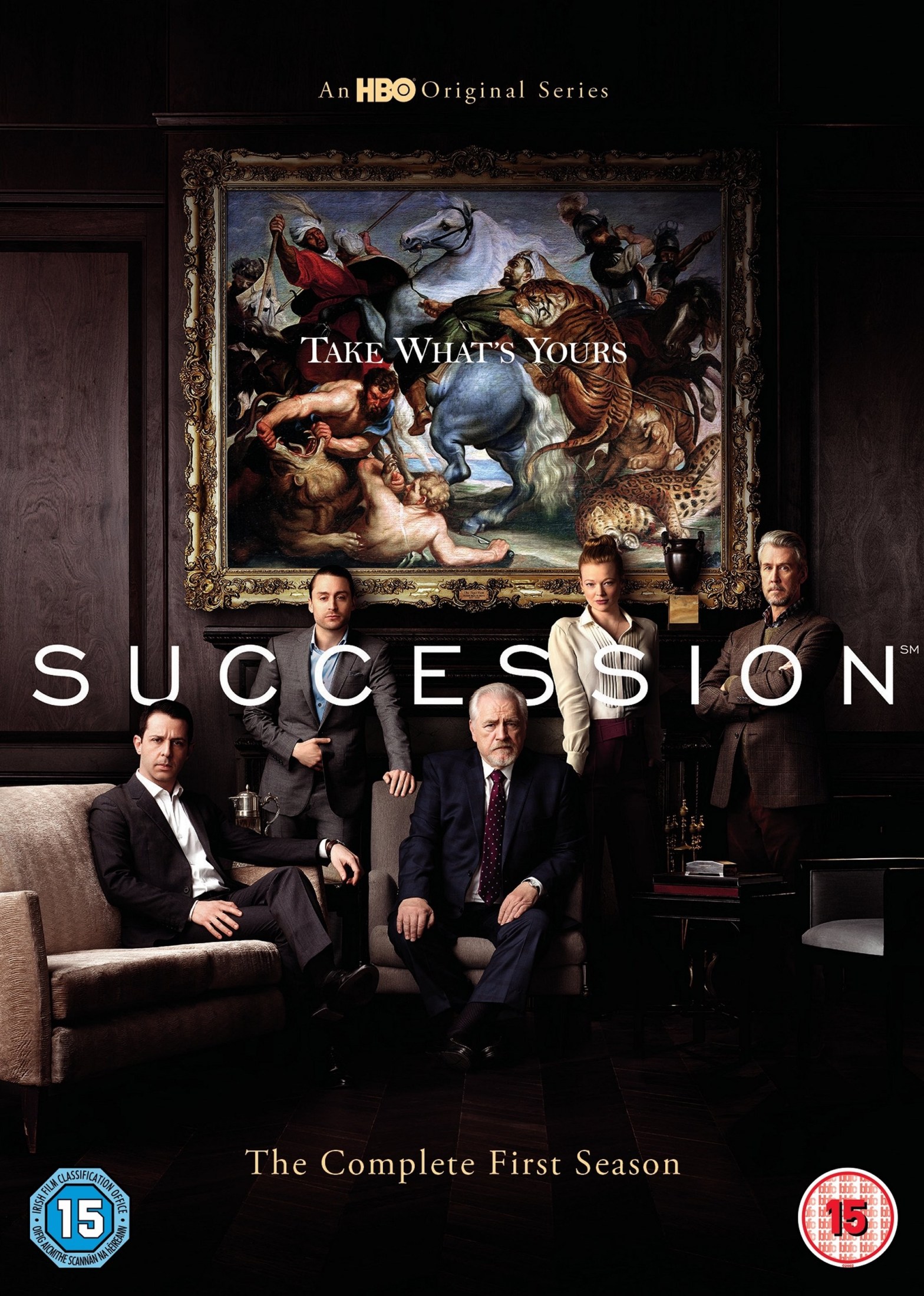
Succession (2018) – TV Review

‘This dark comedy centres on the inner workings of the sprawling media corporation Waystar Royco, which is run by Roy family patriarch Logan Roy (Brian Cox), and the manoeuvrings of his four children, who are struggling to win power and take over the company when their father retires. After Logan suffers a stroke at the end of episode 1, it sets in to motion a frenzied set of events as all the character scramble to establish their place in a world where Logan is potentially no longer top dog. Created by Peep Show (2003) alum Jesse Armstrong, and executive produced by director Adam McKay, this HBO series is a funny and fast paced look at a rich family that is tearing itself apart, whilst also attempting to maintain its dominance in the changing media landscape.

This is a major show for HBO and you can see all the money up on the screen, and even though it doesn’t rely on action or special effects, absolutely no expense is spared when it comes to the huge locations the Roy’s inhabit. You truly feel like you are getting a glimpse in to the world of the rich and famous, an authentic exploration of their lives and the places they go to.

Nicholas Britell’s score, which plays throughout, is a work of art and brings so much to the show. Particularly in the already infamous opening credits, where the genius decision to mix grainy, home video style footage and have it play over Britell’s score leads to a fascinating and upbeat start to every episode. It manages to feel both melancholy and jovial at the same time, which is the perfect mix for this specific show.

The set-up might sound like something we have seen before, and of course there are the very obvious comparisons to the Murdoch family, but the show quickly shakes off any feelings of familiarity and becomes its own thing, with a plot that constantly twists and turns in unexpected directions, whilst always staying rooted in character.

Armstrong’s writing, and that of his writing staff here, is a key reason why the show stands out above the crowd in regards to competition. Not only is it packed full of smart and twisting plots, as well as instantly memorable dialogue and one liner’s (“I Look at Your Face And, No Offense, But I See Dead Babies” instantly jumps out), but it also creates incredibly complex and varied characters. In doing so, despite all the horrible things they do and the way in which they are unrelatable to most people due to their extreme wealth, the audience stays completely invested in them and what they do, and therefore feel gripped to the action. The Roy’s very much talk and speak like a family would, but the characters themselves are all wildly different, and have instantly recognisable personalities, appearances, and ways of speaking, which is a remarkable achievement given the size of the ensemble Armstrong has created.

While the focus in many ways falls on just the Roy’s, the lead ensemble is also filled with a few characters who are tangentially a part of the family, like Shiv’s fiancée Tom (Matthew Macfadyen) and Cousin Greg (Nicholas Braun). The entire cast is superb and all bring different attributes to the show; Kieran Culkin is perfectly cast as Roman Roy is a real livewire, someone always ready to stir up the drama and make a weird remark, Sarah Snook is superb as Shiv Roy, the most competent and effective member of the Roy children, but someone who’s on personal and sexual priorities take a fascinating turn throughout the season, Matthew Macfadyen is a revelation (and his line readings are perfection) as Tom, Shiv’s desperate to impress and secretly power hungry fiancée who allows the family to walk all over him in pursuit of his goals. The one man who Tom turns the tables on however, and becomes a mentor/bully towards, is Nicholas Braun’s Cousin Greg. Braun uses his lanky frame and perfect comedic timing to create a brilliant character in Greg, a fish out of water within the Roy family, and an innocent soul, slowly being corrupted by those around him, and he always acts as the perfect comic relief for the show.  

However, the core dramatic drive and the main narrative thrust lies in the unique dynamic between father Logan and son Kendall (Jeremy Strong), with Kendall being both incredibly scared of and reliant on his father, and Logan being consistently let down by the son who he can see is the best candidate to replace him, but has too many personal issues to ever achieve it. Brian Cox as Logan is a force of nature, full of bravado and aggression, a man who has built an empire in a different era and doesn’t plan to let it go, even though times are changing around him. Cox uses his decades of acting experience to really dominate the screen whenever he is on it, delivering seething takedowns of those around him and creating an instantly iconic TV character in the process. As for method actor Strong, you can see that he completely becomes Kendall, an incredibly insular and in many ways paradoxical man, who’s emotions are always simmering just below the surface, ready to explode at any moment. Kendall’s journey this season to overcome his personal demons and challenge his father’s leadership of the company is one filled with many ups and downs, and Strong perfectly plays all of them. Kendall is blessed with some accidentally hilarious lines, the majority of the emotional scenes, and a character arc that develops massively throughout the season. If Strong doesn’t get the role right, the whole show would struggle to stay afloat, but because of his brilliance, he just takes it to new heights.

Overall, Succession quickly establishes itself as one of the finest new dramas on TV, with some great use of New York City, a brilliant writing team led by the always interesting Jesse Armstrong, and an ensemble full of both newcomers and seasoned pros that blends together perfectly. Jesse Armstrong has created a world and set of characters that are so engaging and yet despicable, that you never want to look away from the screen.

Rating = 4/5

The Simpsons Season 31 (2019) – TV Review

‘Thanksgiving of Horror’ is a festive spin on the Treehouse of Horror format, and is a nice surprise, proving to be a better episode than the Halloween version this year. The Black Mirror parody segment in particular is interesting and entertaining to watch.

‘Bart the Bad Guy’ is a Marvel centric episode, with the voices of the likes of Joe Russo, Anthony Russo, and Kevin Feige. As a MCU focused piece of entertainment, it falls short, but as a funny and engaging takedown of spoiler culture in today’s society, it is successful.

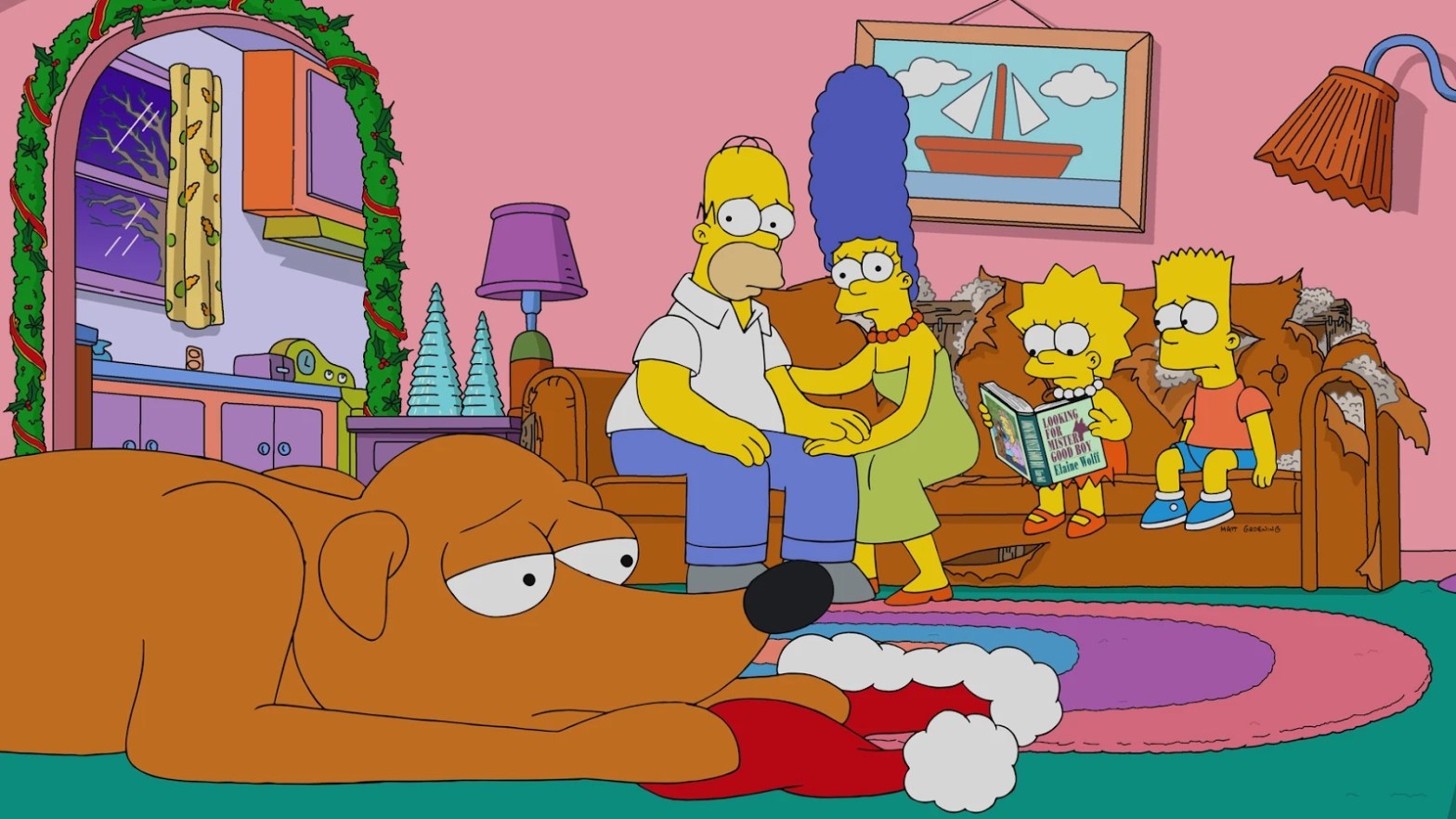
The finale, titled ‘The Way of the Dog’ is one of the best episodes the show has done in years, feeling close to the emotional character studies of the golden years. It was a perfect episode to close out my rewatch, as it is almost a direct sequel to the first ever episode of the show, focusing on Santa’ Little Helper. I’m glad the show is continuing but this in many ways felt like ‘The Simpsons’ coming full circle.

Rating = 3.5/5

Design a site like this with WordPress.com
Get started